Within the framework of the TRACEWINDU, a one-month secondment of experts from Argentina’s National Institute of Industrial Technology (INTI) to the University of Donja Gorica (UDG) in Montenegro demonstrated how international mobility can directly support innovation in wine traceability, authenticity, and digital transformation of the agri-food sector.
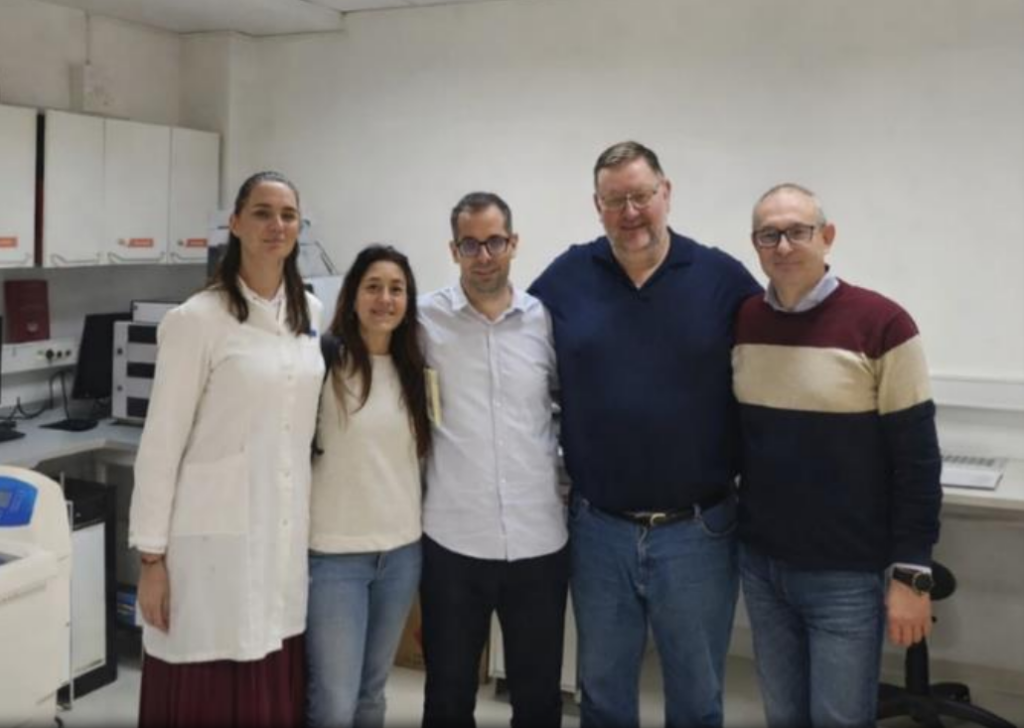
The secondment, implemented under the Marie Skłodowska-Curie Actions, brought together analytical scientists and digital technology experts from INTI and UDG to work on the integration of laboratory-generated data with advanced digital traceability solutions. Activities were closely aligned with TRACEWINDU work packages on data collection, analysis, and blockchain-enabled smart labeling, with the shared objective of enabling trustworthy digital wine product passports. The mission was attended by Eng. Pablo Eduardo Ban, from the Department of Renewable Energies and Energy Management, and María del Valle Bertolo, Head of the Department of Analytical Services at INTI Mendoza.
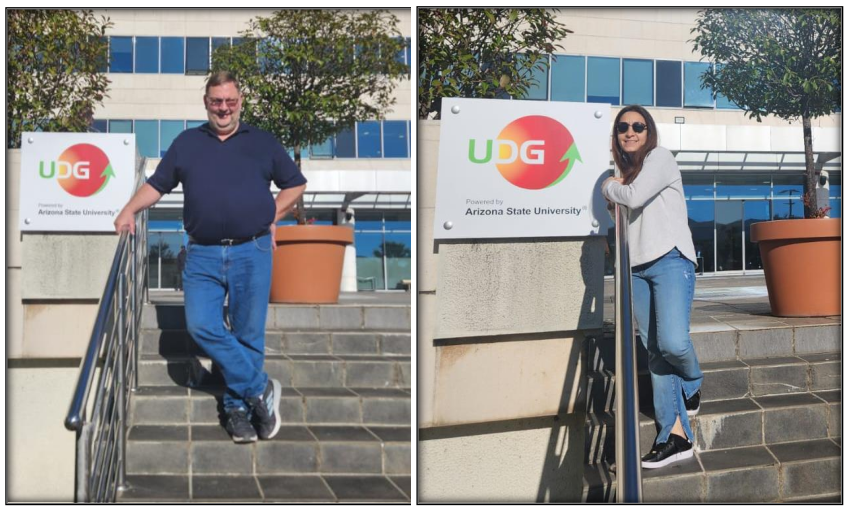
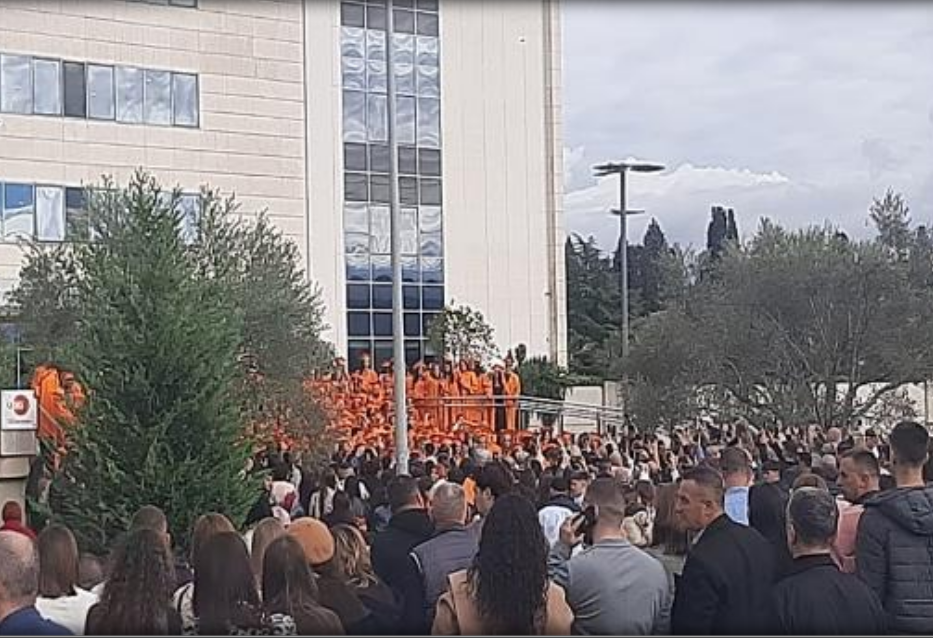
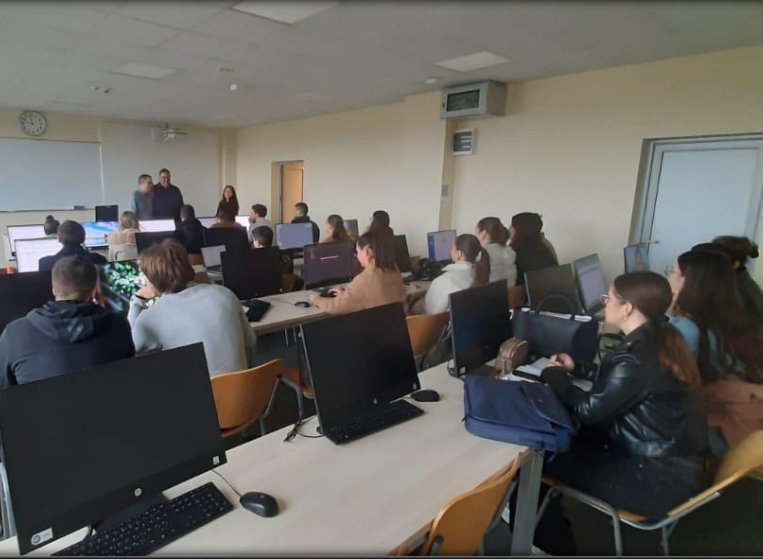
At UDG, the visiting INTI researchers engaged in intensive technical meetings with academic staff and research teams, focusing on data modeling, interoperability between laboratory information systems and digital platforms, and architectural considerations for secure end-to-end traceability. Lectures delivered to undergraduate students further strengthened knowledge transfer, showcasing real-world applications of analytical quality control, Industry 4.0 concepts, and artificial intelligence in the wine and food sectors.
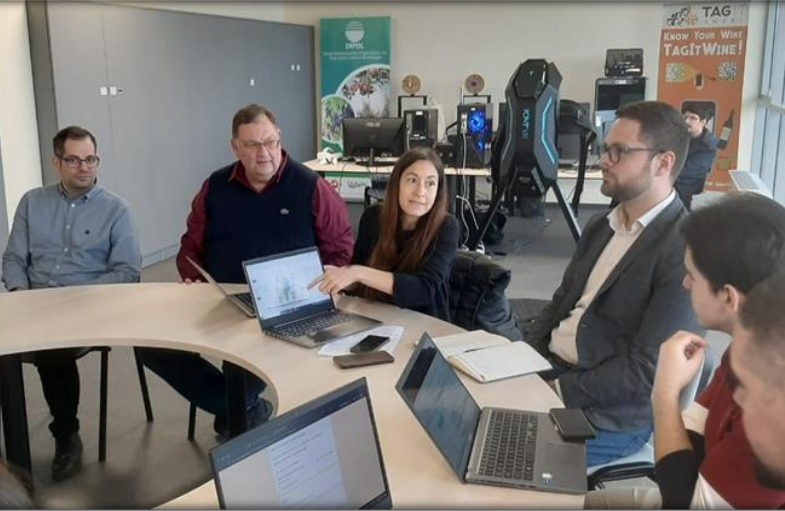
A central element of the secondment was the close interaction with UDG’s research infrastructure, including laboratory facilities and digital innovation environments. Particular emphasis was placed on ensuring that analytical data—produced under rigorous quality assurance frameworks—can be reliably linked to digital identities of wine products, preserving data integrity, transparency, and long-term usability.
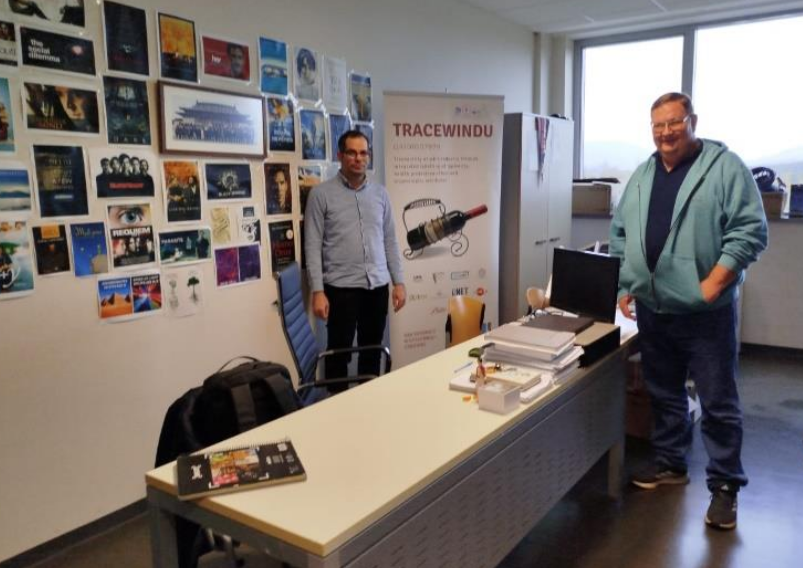
Industry engagement formed an integral part of the secondment and was actively facilitated by UDG. Technical visits and working meetings were organized with TRACEWINDU’s industrial partners, most notably Plantaže – 13. Jul, Montenegro’s leading wine producer and a project partner. Discussions focused on vineyard management practices, winemaking protocols, analytical results, and the practical implementation of traceability solutions within large-scale production environments.
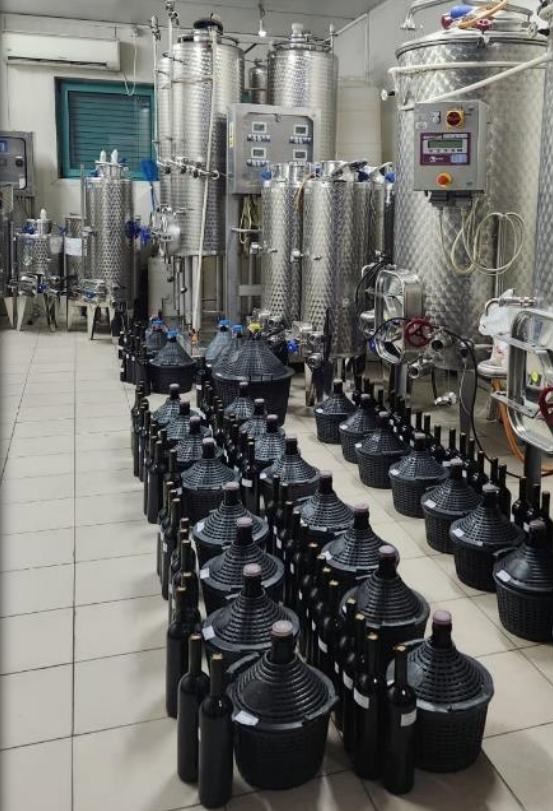
In addition, UDG organized a dedicated visit to Keković Winery, providing insight into the application of TRACEWINDU concepts in a boutique winery context. This visit enabled exchanges on terroir-driven production, authenticity, and differentiation, as well as on how digital traceability tools can be adapted to smaller-scale, high-quality wine producers. Together, these engagements ensured that TRACEWINDU solutions are validated across diverse winery profiles and aligned with real operational needs.
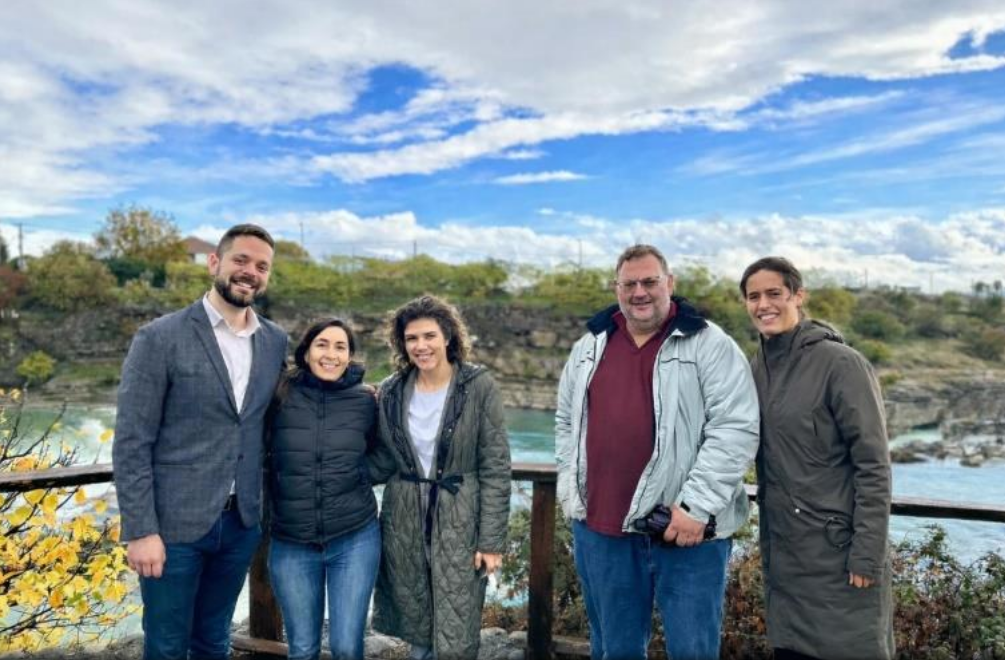
By combining academic collaboration, laboratory expertise, digital systems design, and direct industry validation, the INTI–UDG secondment exemplifies the added value of international mobility within TRACEWINDU. Beyond its immediate technical contributions, the visit laid the foundation for sustained EU–Latin America cooperation, future joint research activities, and the broader adoption of transparent, data-driven traceability solutions in the global wine value chain.